Why the same seed yields differently across one field
Two rows, one variety, one season — and a measurable gap in what comes off the combine. The reasons are rarely mysterious once you know where to look.
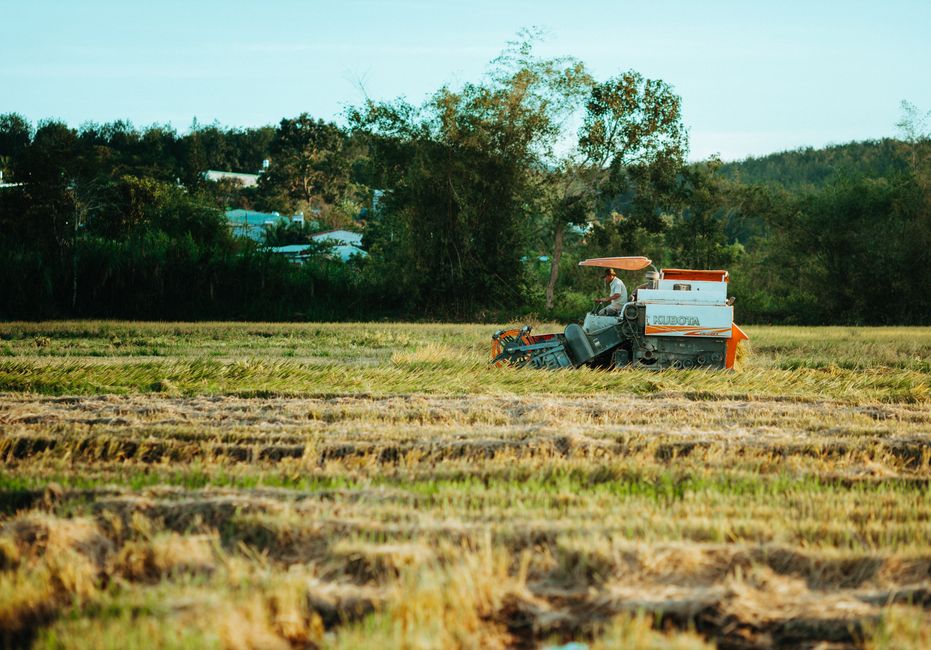
Ask a farmer why one end of a field out-yields the other and you will usually get an answer within about four seconds, because they have known it for years. What is newer is the ability to measure the gap precisely — and, increasingly, to do something about it rather than simply averaging it out.
It starts underground
Soil rarely varies less than the crop above it. Organic matter, compaction and drainage shift metre to metre, and roots feel every change long before the canopy shows it. A headland that has been driven over for forty years is a different growing medium from the middle of the same field, whatever the soil map says.
Weather is local
A ridge that dries an hour sooner, a hollow that holds a late frost — microclimate decides how a variety expresses its potential. Genetics set the ceiling; the field sets the floor. This is why a variety that broke records in one trial can disappoint two valleys away without anything having gone wrong.
Timing compounds everything
Establishment is the quiet multiplier. A crop that emerges evenly competes evenly; one that comes up in two waves spends the whole season with half its plants shaded by the other half. Most of the yield gap people blame on inputs was actually decided in the first fortnight.
What farmers do about it
- Variable-rate seeding and fertiliser matched to soil zones rather than field averages.
- Yield maps that turn a season into a plan for the next one.
- Trials on their own ground, not just the seed catalogue's.
- Controlled traffic to stop compaction spreading year on year.
More on the ground itself in soil & water.