Cover crops: the cheapest soil insurance a farm can buy
A field left bare between cash crops loses more than time. Cover crops put living roots back in the ground and pay for themselves in ways that don't show up for a season or two.
The economics of cover cropping are genuinely awkward: you pay this year for a benefit that arrives over several. That timing problem, more than any doubt about the agronomy, is why adoption moves slowly.
What they actually do
Roots hold soil against wind and rain, feed the microbes that cycle nutrients, and break compaction that no tyre pressure can fix. Legume covers even fix their own nitrogen, which shows up as a reduced bill the following spring rather than as anything visible in the field.
Water follows structure
Healthy, aggregated soil takes in rain instead of shedding it. Infiltration is a soil-biology story, not just a drainage one. The difference between a soil that absorbs a downpour and one that sends it into the ditch is largely built by roots and the organisms that live around them.
Where it goes wrong
- Terminating too late, so the cover competes with the cash crop for moisture.
- Choosing a species for the brochure rather than for the gap in the rotation.
- Expecting a measurable return in year one — the soil works slower than the accounts do.
Irrigation is the other half
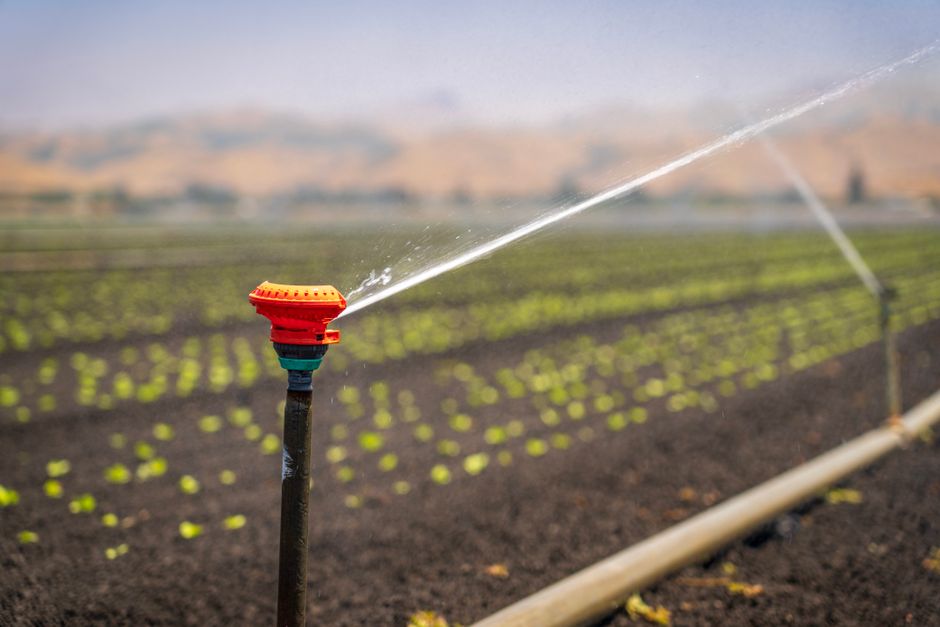
Where water is applied rather than hoped for, efficiency is mostly about scheduling, not hardware. Soil-moisture sensing turns irrigation from a calendar habit into a response, and in most systems that single change saves more water than any upgrade to the equipment.
Markets reward none of this directly — which is why it's worth understanding the economics.